NFL Prop Bets UK vs US: Market Structure and Odds Differences
 Available in US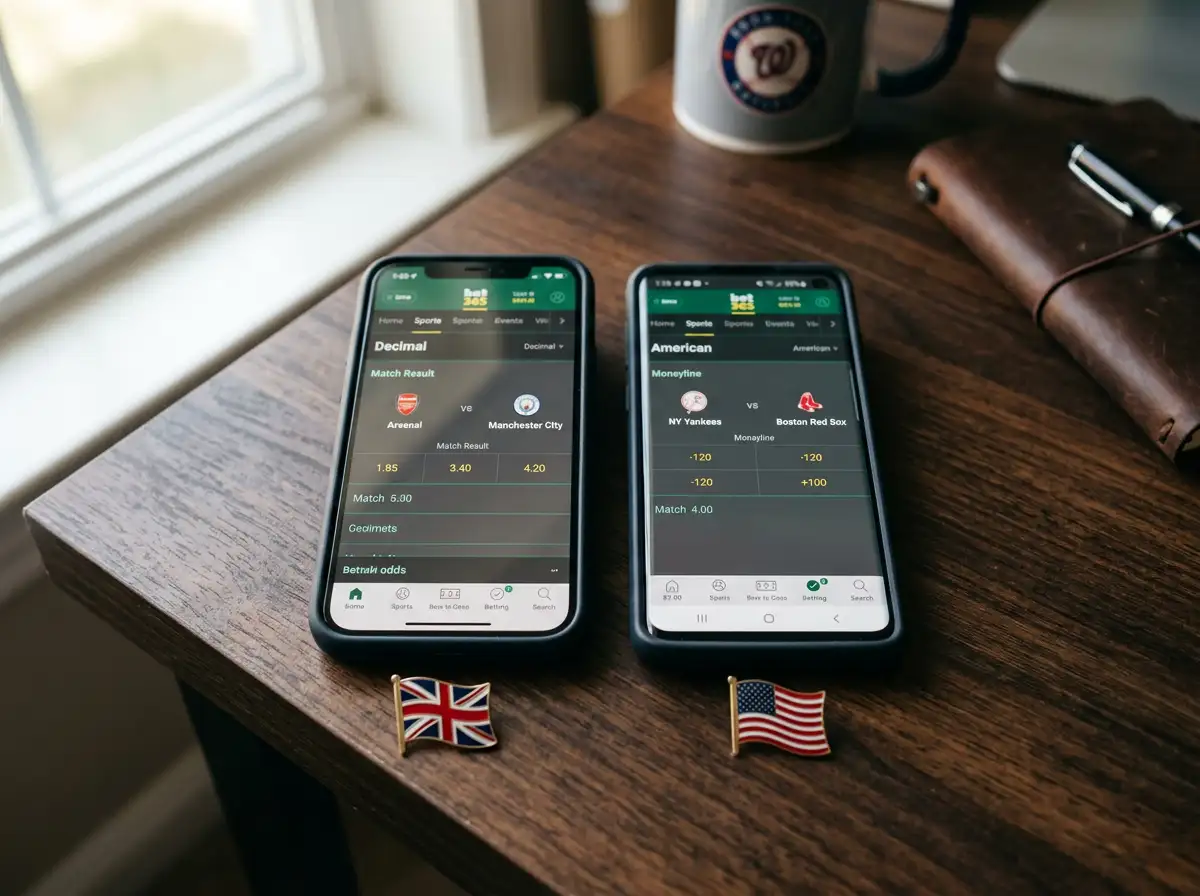
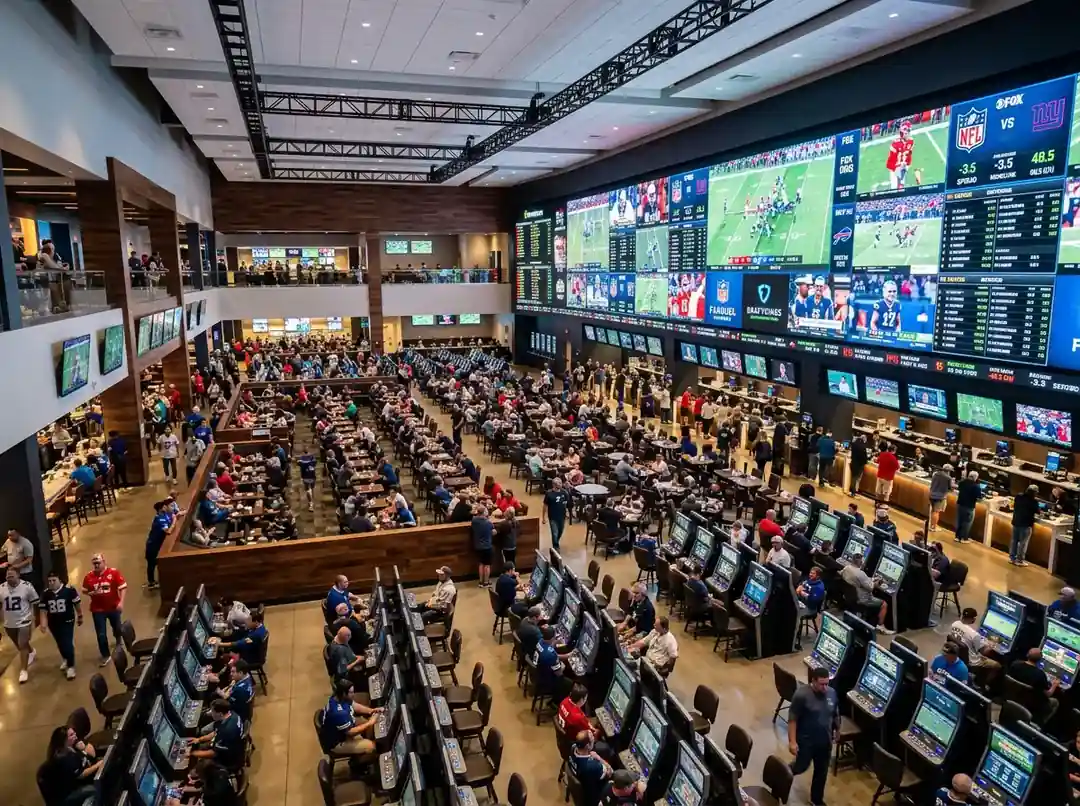
I spent two weeks in New Jersey during the 2023 NFL season, and the first thing I did was walk into a sportsbook. The experience was jarring – not because the bets were different, but because the entire framework was. Odds displayed in American format, state-specific licensing I’d never had to think about, and not a single betting exchange in sight. It crystallised something I’d known abstractly but never felt viscerally: UK and US NFL prop markets look similar on the surface but operate under fundamentally different structures. Understanding those differences isn’t academic curiosity – it’s a competitive advantage for anyone who uses research from both sides of the Atlantic.
Europe holds the largest share of the global sports betting market at roughly 44%, and the UK sits at the centre of that ecosystem. The UK gambling sector generated approximately £7.8 billion in online gross gambling yield in the year to March 2025, backed by a mature regulatory framework that has evolved over decades. The US market, legalised state by state since 2018, is newer, larger in raw handle, and structured very differently. Here’s what those differences mean for NFL prop bettors.
Decimal vs American Odds Formatting Differences
The most visible difference is how odds are displayed. UK bookmakers default to decimal format – 1.85, 2.10, 3.50 – where the number represents your total return per unit staked. American odds use a plus/minus system: -110 means you need to stake 110 to win 100, while +200 means a 100 stake returns 200 in profit. Both formats encode the same probability; they’re just different languages for the same maths.
The practical impact for UK punters: virtually all sharp NFL prop analysis originates from US-based sources that use American odds exclusively. If you’re reading a thread about a “Kelce receptions over at -125” and you can’t instantly convert that to 1.80 decimal, you’re operating at a speed disadvantage. The conversion itself takes seconds, but fluency in both formats lets you absorb American analysis without the mental friction of constant translation.
Fractional odds – 5/2, 7/4, 11/8 – still appear at some traditional UK bookmakers, particularly for horse racing. For NFL props, fractional odds are increasingly rare online. If your platform still defaults to fractional, switch to decimal in your account settings. Decimal is the universal language of European betting, and it makes line comparison between bookmakers significantly faster.
Market Depth and Prop Availability
This is where the gap between UK and US markets is widest. A major US sportsbook might list 200+ individual player props for a single NFL game: passing yards, rushing yards, receptions, touchdowns, longest completion, tackles, quarterback sacks, interceptions, and dozens of alt lines at different thresholds. UK bookmakers typically offer 40-80 prop markets per game, focused on the core categories – passing, rushing, receiving, and touchdown scorers – with fewer alternative lines and less coverage of defensive and special teams props.
The American football betting market grew from $8.52 billion in 2025 to $9.5 billion in 2026, and that growth has been accompanied by an explosion in prop variety. US operators compete aggressively on market breadth, because same-game parlays – the product that generates 35-40% of gross gaming revenue – require a deep menu of props to build from. UK bookmakers have expanded their NFL prop offerings substantially over the past five years, but they’re still playing catch-up in terms of sheer volume.
The UK gambling market, valued at approximately $5.61 billion for its betting segment in 2024, serves a more diversified customer base. Football (the round-ball kind), horse racing, tennis, and cricket all compete for bookmaker resources. NFL is a growing but still secondary sport for most UK operators, which means their NFL trading desks are smaller and their prop markets reflect that limited coverage.
What this means practically: if you identify a prop bet opportunity through US-based analysis, your UK bookmaker might not offer the exact market. Alt lines, defensive props, and kicker props are the most common casualties. Check multiple UK bookmakers before assuming a market isn’t available – one operator might carry a line that others don’t.
UKGC vs US State-by-State Regulation
The regulatory contrast is enormous and directly affects your experience as a punter. The UK operates under a single national regulator – the UK Gambling Commission – that licenses and oversees every legal gambling operator in the country. One set of rules, one licensing authority, one framework for consumer protection. If you have a dispute with a UK bookmaker, the resolution process is standardised.
The US operates under a patchwork of state-level regulations. Each state that has legalised sports betting has its own licensing requirements, its own tax rates, and its own rules about what kinds of bets are permitted. NFL prop betting is legal in most regulated states, but the specific props available can vary – some states restrict certain novelty props, and the regulatory environment is still evolving. NFL executive Jeff Miller has testified to the US Congress about concerns over sports-related futures contracts launching in jurisdictions where sports betting hasn’t been legalised, highlighting the ongoing tension between federal oversight and state-level regulation.
For UK punters, the UKGC framework is a significant advantage. Every bookmaker you use is held to the same consumer protection standards – deposit limits, self-exclusion, reality checks, and affordability monitoring. The regulatory certainty means you can focus on your prop analysis without worrying about whether your chosen platform is operating in a legal grey area.
The UK Exchange Advantage
The single biggest structural advantage UK punters have over their American counterparts is access to betting exchanges. Betfair, Smarkets, and other exchange platforms allow you to back and lay bets at odds set by other punters, with the exchange taking a small commission instead of building in a margin.
US bettors have no equivalent. Every bet placed in the US goes through a bookmaker, and the bookmaker’s margin is embedded in every price. The closest American equivalent is a prediction market like Kalshi, which operates under a different regulatory framework (the CFTC rather than state gambling commissions) and doesn’t offer the same range of NFL prop markets.
Exchange betting matters for NFL props because the commission structure is cheaper than the bookmaker margin. A 2-5% commission on winning exchange bets compares favourably to the 6-10% overround on traditional prop lines. For punters who trade positions – backing at one price and laying at another to lock in profit – exchanges offer a degree of flexibility that bookmaker-only markets simply can’t match. Exchange strategies for NFL props are a UK-specific toolkit that no American bettor can replicate, and they represent a genuine competitive edge in a global market.
The differences between UK and US prop markets aren’t obstacles – they’re information. Knowing how the markets diverge lets you use American analysis intelligently, exploit the UK exchange advantage effectively, and navigate the regulatory framework with confidence. The props themselves are the same product. The wrapper around them is what changes, and understanding that wrapper is part of the job.
Do UK punters get access to fewer NFL prop markets than US bettors?
Generally yes. Major US sportsbooks offer 200+ individual player props per NFL game, while UK bookmakers typically carry 40-80. The gap is most noticeable in defensive props, kicker props, and alternative line options. However, UK punters have access to betting exchanges, which are unavailable in the US, providing an alternative avenue for NFL prop betting with lower margins.
Why is exchange betting for NFL props only available in the UK?
Betting exchanges operate under UK gambling legislation, which permits peer-to-peer betting platforms. The US has no equivalent regulatory framework for exchange-style betting on sports. American bettors must use traditional sportsbooks, which set their own odds and build in a margin. This structural difference gives UK punters a unique pricing advantage through lower commission rates and the ability to lay bets.
Written by the editors at top nfl Prop Bets.