NFL Octopus Bet: Touchdown and Two-Point Conversion Odds
 Available in US
I first heard the term “Octopus” at a Super Bowl watch party in 2022. Someone at the bar announced he’d placed an Octopus bet on a running back, and half the room looked at him like he’d ordered a drink that didn’t exist. The other half – the sharper bettors in the group – nodded knowingly. An Octopus is one of those props that sounds absurd until you understand it, and then it sounds absurd for different reasons: the odds are long, the historical hit rate is low, but the concept is elegant and the payout is enormous when it lands.
Here’s everything you need to know about the Octopus bet, from how it works to how often it actually happens and where you can find it at UK bookmakers.
NFL Octopus Bet Validation and Scoring Rules
An Octopus occurs when the same player scores a touchdown and then converts the ensuing two-point conversion attempt. The name comes from the eight points the play is worth: six for the touchdown plus two for the conversion. Eight legs, eight points – Octopus. It’s a single-player, single-sequence event that requires a very specific set of circumstances to even be possible.
The first requirement is that the team must go for two after the touchdown. Teams don’t attempt two-point conversions after every score – the decision is typically driven by game situation, score differential, and coaching philosophy. In a typical NFL season, teams attempt two-point conversions on roughly 8-12% of touchdowns. That immediately narrows the window for an Octopus to a small subset of scoring plays.
The second requirement is that the same player who scored the touchdown must be the one who scores the two-point conversion. This is more common than you might think for running backs – a back who punches in a goal-line touchdown is often the first option on the subsequent two-point attempt, since the offence is already in a short-yardage personnel package. For wide receivers and tight ends, the probability is lower because two-point plays are more varied and often designed for different personnel than the scoring play.
Importantly, the touchdown and two-point conversion must be on the same scoring sequence. A player who scores a touchdown in the first quarter and then converts a two-point attempt on a different score in the third quarter has not hit an Octopus. It’s the same drive, same sequence, same player – touchdown followed immediately by conversion.
How Often Octopuses Hit Historically
Rarely. That’s the honest answer, and it’s reflected in the odds. Across a full NFL season, Octopuses occur somewhere between 5 and 15 times total, depending on how aggressive teams are with two-point attempts. In seasons where coaching trends favour aggressive conversion attempts – like when the analytics community pushes the case for going for two more often – the count ticks up. In more conservative seasons, it drops toward the lower end of that range.
About 40% of first touchdowns in the Super Bowl have historically come from passing plays, but the Octopus requires a two-point conversion attempt on top of the score, which is a separate and rarer decision. In the Super Bowl specifically, the Octopus has been a popular novelty bet because the stakes and emotion of the game make two-point attempts more likely in competitive fourth quarters. But even in the Super Bowl, the probability of any named player hitting an Octopus is typically in the 1-3% range, which is why the odds sit at 20.00 to 50.00 or higher.
The players most likely to hit an Octopus are running backs who serve as their team’s primary goal-line back and short-yardage option. These backs get the first crack at the end zone on the touchdown and are often the designated ball carrier on the two-point play. Dual-threat quarterbacks are the second most likely – a quarterback who runs in a touchdown and then keeps the ball on the two-point conversion is the Octopus scenario that generates the most highlight-reel moments.
One statistical nuance: the Octopus rate has been trending upward over the past five seasons as analytics-driven coaching increases two-point attempt frequency. If that trend continues, the historical hit rate may gradually improve – but we’re talking about moving from “very rare” to “slightly less very rare.” This is not a market where you should expect to win often.
Where to Find Octopus Props at UK Bookmakers
Octopus props are not a standard offering at most UK bookmakers. With approximately 13.5 million active monthly online betting accounts across the UK’s major operators, the demand for niche novelty props is growing, but the Octopus remains a speciality market rather than a staple.
Your best chance of finding an Octopus prop at a UK bookmaker is during the Super Bowl. The Super Bowl attracts the broadest range of novelty and exotic props, and several UKGC-licensed operators have included Octopus markets in their Super Bowl specials in recent years. During the regular season, Octopus props are harder to find – some operators offer them for marquee prime-time games (Sunday Night Football, Monday Night Football), but they’re rarely available for the full weekly slate.
If your bookmaker doesn’t list an Octopus prop directly, you can sometimes construct an approximation through bet builders. Select “Player X to score a touchdown” and “Team Y to convert a two-point conversion” as separate legs in a same-game parlay. This isn’t identical to an Octopus – it doesn’t require the same player on both events – but it captures a similar scenario at similar odds. The pricing on the true Octopus prop, when available, is usually slightly better than the constructed version because the bookmaker accounts for the correlation between the touchdown and the conversion attempt.
The Octopus is a fun bet, and I’ve placed a handful over the years – always at small stakes, always on running backs or dual-threat quarterbacks in games where I expected close scores and multiple two-point opportunities. I’ve hit one. Once. The payout was 35/1, and the celebration was genuinely memorable. But I’ve also lost the other dozen-plus attempts, and the maths is honest about what this market is: a lottery ticket with better odds and more charm than most. Treat it accordingly – small stakes, entertainment money, reserved for the Super Bowl or marquee games where the experience of having it adds to your enjoyment of the broadcast.
What are the typical odds on an NFL Octopus bet?
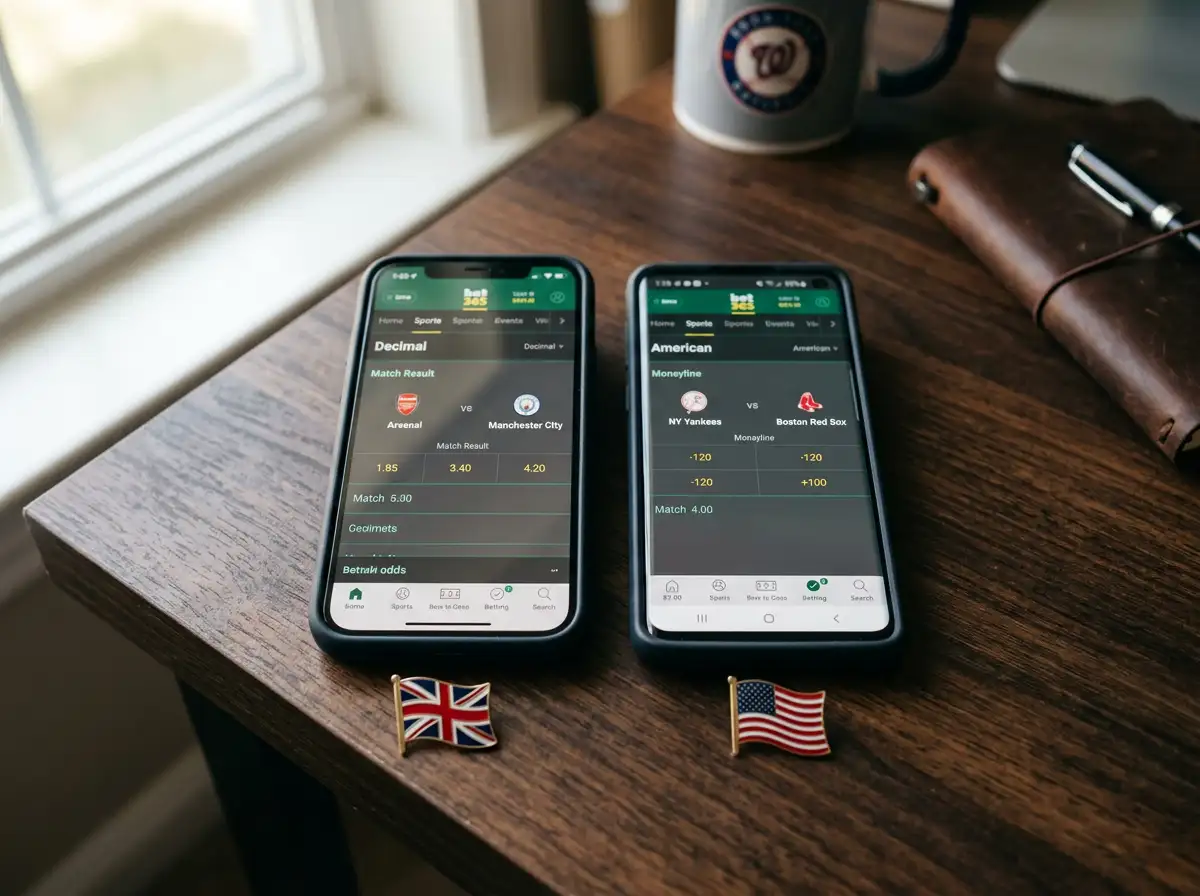
Octopus props are typically priced between 20.00 and 50.00 in decimal odds, depending on the player and the game situation. Running backs with heavy goal-line usage tend to be priced at the shorter end, while wide receivers and tight ends are longer. The exact price varies by bookmaker and is influenced by how likely the team is to attempt two-point conversions based on the projected game script.
Can I include an Octopus in a same-game parlay?
If your bookmaker offers a standalone Octopus prop, it typically cannot be combined into a same-game parlay because it already includes correlated elements. However, you can construct an approximation by combining a touchdown scorer prop with a two-point conversion prop in a bet builder. Check your bookmaker’s combination rules – some platforms restrict correlated legs that overlap with specific novelty markets.
Prepared by the top nfl Prop Bets editorial staff.